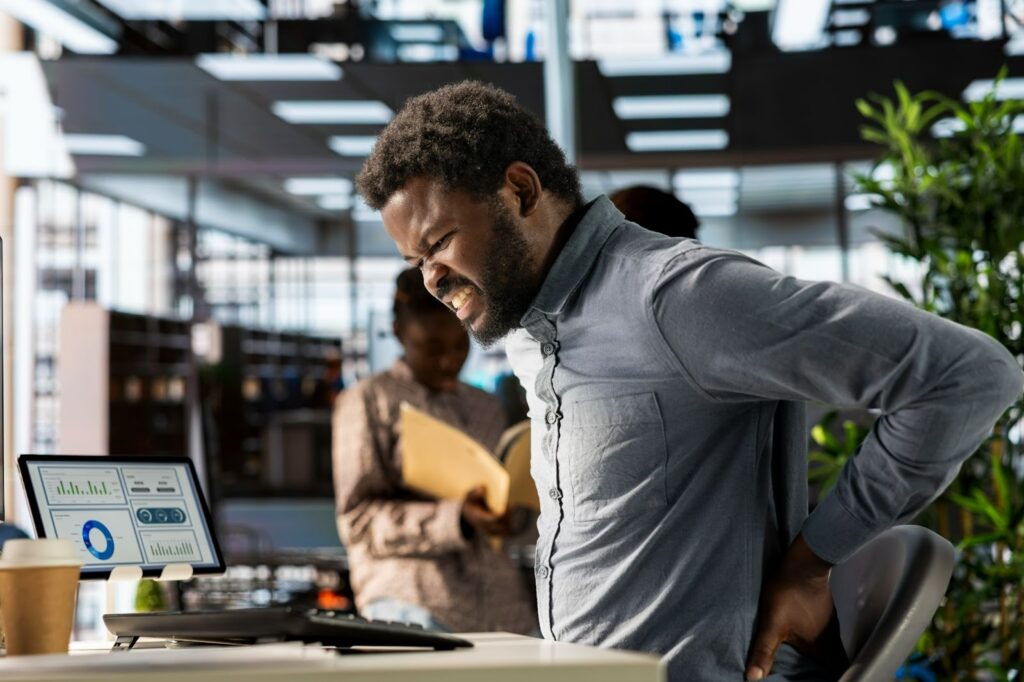

As a local chiropractor, I understand firsthand how lower back pain can affect your everyday life. If you're struggling with this discomfort, you might be curious about the most effective treatments available to help you find relief. Chiropractic care is one of the leading options I recommend, alongside exercise rehabilitation and other natural healing methods. Each treatment comes with its unique advantages, but I know that choosing the right one can feel overwhelming.
When exploring your options, it's important to consider a few key factors. First, think about the specific nature of your pain—whether it's acute or chronic, and what activities exacerbate it. Additionally, consider your overall health and any previous treatments you've tried. As your chiropractor, I can help you understand how spinal adjustments and other holistic approaches can support your body's natural healing process.
Ultimately, the goal is to find a treatment plan that not only addresses your current discomfort but also promotes long-term wellness. Together, we can develop a personalized approach that ensures you're on the path to lasting relief. Your journey to a pain-free life starts here!
Understanding Lower Back Pain
As a local chiropractor, I want to help you understand lower back pain, an issue that many people encounter at some stage in their lives. It can arise from a variety of factors, including muscle strains, poor posture, or even underlying medical conditions.
It's common to notice that your pain correlates with your daily activities. For instance, spending long hours sitting at a desk or lifting heavy objects without proper technique can lead to discomfort and strain in your lower back.
It's also important to reflect on how your lifestyle choices affect your back health. A sedentary lifestyle can weaken the muscles that support your spine, increasing the likelihood of injury. Conversely, incorporating regular physical activity into your routine can strengthen these muscles, enhance flexibility, and significantly reduce your risk of experiencing pain.
In my practice, I've seen that lower back pain can sometimes stem from acute injuries, such as falls or accidents. However, it can also develop gradually over time due to the natural wear and tear on your spine as you age. Conditions like herniated discs or spinal stenosis may contribute to ongoing discomfort.
Understanding the root cause of your pain is crucial for effective treatment and management. I encourage you to pay close attention to your body and how it reacts to different movements. You may find that certain activities worsen your pain, while others provide relief.
By recognizing these patterns, we can work together to create a tailored plan that helps you prevent further issues. Remember, gaining insight into your lower back pain is the first step toward discovering natural treatments and reclaiming your quality of life.
As a chiropractor, I'm here to guide you on your journey to better health and wellness.
Physical Therapy Options
As a local chiropractor dedicated to your well-being, I want to share how chiropractic care can be an excellent option for treating lower back pain.
We utilize a range of natural healing techniques, including manual adjustments to realign the spine, exercise rehabilitation programs tailored to your needs, and guidance on proper posture and ergonomics.
These methods work together to enhance your mobility, strengthen your back, and significantly reduce the risk of future discomfort.
Embracing chiropractic care can lead to a healthier, pain-free lifestyle, and I'm here to support you every step of the way.
Manual Therapy Techniques
As a local chiropractor, I want to share how manual therapy techniques can be a vital part of your journey toward alleviating lower back pain.
Our hands-on treatment methods are designed to enhance mobility and reduce discomfort, and they're tailored specifically to meet your individual needs.
Here are some common techniques you may encounter in our practice:
- Joint Mobilization: This technique involves gentle movements of your joints, aimed at restoring normal motion and alleviating pain. Many patients experience immediate relief as stiffness is reduced.
- Soft Tissue Manipulation: This method focuses on the muscles and fascia, helping to release built-up tension and improve blood circulation. After a session, you might notice that your muscles feel more relaxed and at ease.
- Myofascial Release: By targeting the fascia, the connective tissue surrounding your muscles, this approach can help relieve tension, enhance flexibility, and ease discomfort.
- Massage Therapy: Therapeutic massage is another powerful tool we use to soothe sore muscles and promote overall relaxation. Patients often leave feeling lighter and more comfortable.
Integrating manual therapy into your treatment plan can significantly enhance your mobility and quality of life, allowing you to engage in daily activities without pain.
If you're curious about how these techniques can help you, don't hesitate to reach out for more information!
Exercise Rehabilitation Programs
As a local chiropractor, I want to emphasize the importance of incorporating exercise rehabilitation programs into your journey toward recovery from lower back pain. These programs are a crucial component of natural healing, designed to strengthen your core muscles, improve flexibility, and enhance your overall physical function.
When you begin your rehabilitation, we'll focus on low-impact exercises that promote stability and strength. Simple activities like stretching, pelvic tilts, and gentle aerobic exercises can increase blood flow to the affected area, which is essential for healing.
As you progress, I may introduce resistance training and more dynamic movements to further challenge your body and build resilience.
Consistency is key in any rehabilitation program. Regular exercise not only helps build strength but also improves your posture and body mechanics—both vital for maintaining a healthy back.
It's important to listen to your body and communicate with me about any discomfort you might experience along the way.
By committing to an exercise rehabilitation program, you're taking an active role in managing your lower back pain and enhancing your quality of life.
I encourage you to prioritize this aspect of your recovery journey, as it can significantly empower you and support your overall well-being.
Posture and Ergonomics Coaching
As a local chiropractor, I want to share some important insights about how good posture and proper ergonomics can play a vital role in preventing and alleviating lower back pain.
Many people underestimate the impact of their daily habits and work environments on their spinal health. By maintaining a strong posture and optimizing your workspace, you can significantly reduce strain on your back.
Here are four essential tips to consider:
- Chair Height: It's crucial to adjust your chair to ensure that your feet rest flat on the ground, with your knees positioned slightly lower than your hips. This alignment helps distribute your weight evenly and minimizes pressure on your spine, which can prevent discomfort over time.
- Monitor Position: Your computer monitor should be at eye level and about an arm's length away from you. This setup encourages proper alignment and prevents you from slouching or craning your neck, both of which can lead to discomfort and pain.
- Keyboard and Mouse Placement: Position your keyboard and mouse in a way that allows you to use them comfortably while keeping your elbows close to your body. This reduces unnecessary strain on your arms and shoulders, helping to maintain a more relaxed posture.
- Frequent Breaks: It's essential to take regular breaks throughout your workday. Stand up, stretch, or take a short walk every 30 to 60 minutes. This practice not only relieves tension in your back but also enhances circulation, contributing to overall well-being.
By incorporating these ergonomic practices into your daily routine, you can take proactive steps toward better spinal health and reduce the risk of lower back pain.
Medications and Pain Relief
When lower back pain strikes, many people seek immediate relief, often turning to medications. While over-the-counter (OTC) pain relievers like ibuprofen or acetaminophen can provide temporary relief by reducing inflammation and blocking pain signals, I want to emphasize that there are more holistic approaches to managing pain that can address the root causes rather than just masking the symptoms.
As a chiropractor, I believe in the power of natural healing. Instead of relying solely on medication, consider incorporating chiropractic care into your treatment plan. Chiropractic adjustments can help improve spinal alignment, reduce nerve irritation, and enhance mobility, which can lead to a significant reduction in pain and discomfort.
If OTC options aren't sufficient, it's important to explore other alternatives that can work in conjunction with chiropractic care. While some may require stronger medications prescribed by a physician, I always encourage my patients to discuss all available options, including muscle relaxants or topical analgesics, with their healthcare provider.
However, keep in mind that these should be used cautiously and under medical supervision due to potential side effects.
In addition to chiropractic adjustments, I often recommend physical therapy, stretching, and strengthening exercises tailored to your specific needs. These practices can promote healing and prevent future episodes of pain.
Furthermore, techniques such as massage therapy or acupuncture may also complement your chiropractic treatment.
If your pain persists, some may consider corticosteroid injections, but I advocate for exploring natural remedies and lifestyle changes first. Remember that medications can play a role in managing lower back pain, but they should be part of a comprehensive strategy that prioritizes your overall health and well-being.
Always consult with your healthcare provider, including your chiropractor, to develop a personalized approach that suits your condition and goals. Together, we can work towards a pain-free life that focuses on healing and maintaining your body's natural balance.
Alternative Therapies
As your local chiropractor, I want to introduce you to the concept of alternative therapies and how they can play a vital role in your recovery from lower back pain. These therapies not only provide relief but also enhance your overall well-being by addressing both physical and emotional aspects of health.
Let's take a look at four effective alternative therapies that I often recommend:
- Acupuncture: This traditional Chinese therapy involves placing fine needles at specific points on your body. The goal is to balance your body's energy flow, which can stimulate healing and help alleviate pain. Many patients find acupuncture a beneficial complement to their chiropractic care.
- Chiropractic Care: As a chiropractor, my approach focuses on hands-on spinal manipulation and other techniques designed to align your musculoskeletal structure. By doing so, we relieve pressure on nerves, reduce pain, and enhance your mobility. Regular chiropractic adjustments can play a crucial role in your recovery journey.
- Massage Therapy: Therapeutic massage is another excellent option to consider. It helps relax tight muscles, improve circulation, and promote stress relief. Regular massage sessions can't only help with current lower back pain but also prevent future flare-ups, ultimately supporting your overall physical health.
- Yoga: Incorporating yoga into your routine can significantly enhance your strength, flexibility, and posture. Certain poses focus specifically on the lower back, helping to alleviate discomfort while also fostering relaxation and mindfulness.
Integrating these alternative therapies into your pain management plan can provide the relief you've been seeking. However, it's essential to consult with me or your healthcare provider before starting any new treatment to ensure it aligns with your specific needs.
Lifestyle Modifications
As a local chiropractor, I want to share some important lifestyle modifications that can help you manage lower back pain effectively.
It's essential to incorporate regular exercise and stretching into your routine, as these practices can strengthen your muscles and improve flexibility.
Additionally, paying attention to your posture can make a significant difference; proper alignment helps alleviate stress on your back.
Maintaining a healthy weight is also crucial, as excess weight can put added strain on your spine and contribute to discomfort.
These lifestyle changes not only help to relieve pain but also enhance your overall well-being.
Exercise and Stretching Routines
As a local chiropractor, I want to share how incorporating exercise and stretching routines into your daily life can be a powerful tool for alleviating lower back pain. Engaging in regular movement and flexibility exercises not only strengthens your core but also improves your posture and promotes better spinal health.
By making these routines part of your day, you can effectively manage and reduce discomfort.
Here are four key exercises and stretches that I recommend:
- Cat-Cow Stretch: This gentle yoga pose can significantly increase flexibility in your spine and help ease tension in your back muscles. It's a great way to start your day or wind down in the evening.
- Pelvic Tilts: To perform this exercise, lie on your back with your knees bent. Gently tilt your pelvis upward. This movement strengthens your abdominal muscles and alleviates pressure on your lower back, which can be particularly beneficial if you're experiencing pain.
- Child's Pose: This restorative yoga position stretches your back and hips, promoting relaxation and reducing muscle tightness. It's an excellent stretch to incorporate after a long day of sitting or standing.
- Walking: Although it seems simple, walking is a highly effective way to strengthen your legs and enhance blood flow to your back. Regular walking can help alleviate pain over time and improve your overall well-being.
Incorporating these exercises into your daily routine can lead to significant improvements in how you feel day-to-day.
Proper Posture Practices
As a local chiropractor, I want to share the importance of maintaining proper posture in your daily activities to help prevent and alleviate lower back pain. Many of my patients are often surprised to learn how much posture plays a role in their overall health and well-being.
When standing, it's crucial to keep your feet shoulder-width apart and distribute your weight evenly. Engaging your core will provide support to your spine and significantly reduce strain on your back. This simple adjustment can make a big difference in how you feel throughout the day.
When it comes to sitting, it's essential to choose a chair that offers adequate support for your lower back. Make sure your feet are flat on the floor, and don't hesitate to use a footrest if necessary. Your knees should be level with your hips, and I recommend avoiding crossing your legs.
If you spend a lot of time at a desk, ensure your computer screen is at eye level to prevent unnecessary neck strain.
Lifting objects correctly is another critical aspect of proper posture. Always bend at your knees and keep your back straight when lifting. Hold the item close to your body and avoid twisting your torso. This technique helps to minimize the load on your lower back and can prevent injuries.
Even during your downtime, it's important to be aware of your posture. When relaxing on the couch, consider using a cushion to support your lower back.
Incorporating these posture practices into your daily routine can significantly lower your risk of developing or worsening lower back pain. Remember, small changes in your posture can lead to major improvements in your comfort and overall health.
If you have any questions or would like to learn more about how chiropractic care can support your journey to better posture and pain relief, please don't hesitate to reach out.
Weight Management Strategies
As your local chiropractor, I want to emphasize how managing your weight can play a significant role in relieving lower back pain and improving your overall health.
Carrying excess weight can place additional stress on your spine, which may worsen pain and lead to more severe issues. By adopting effective weight management strategies, you can alleviate this strain and enhance your well-being.
Here are four strategies I recommend for you to consider:
- Balanced Diet: Prioritize whole foods in your meals, such as fresh fruits, colorful vegetables, lean protein sources, and whole grains. These foods not only supply vital nutrients but also help keep your calorie intake in a healthy range.
- Regular Exercise: Aim to engage in at least 150 minutes of moderate-intensity aerobic exercise each week. Additionally, including strength training in your routine can help build muscle, which provides better support for your back and spine.
- Mindful Eating: It's important to listen to your body's hunger signals and steer clear of emotional eating. By eating slowly and savoring your meals, you can become more attuned to your body's fullness cues, which can help prevent overeating.
- Stay Hydrated: Adequate hydration is key to controlling hunger and maintaining your body's functions. Strive to drink at least eight 8-ounce glasses of water each day to stay hydrated and support your overall health.
As you explore these strategies, remember that chiropractic care can complement your efforts by promoting proper alignment and function of your spine, further aiding in pain relief and overall wellness.
Let's work together to improve your health naturally!
Role of Exercise
As a local chiropractor, I want to share how regular exercise can play a crucial role in alleviating lower back pain and promoting overall spinal health. Many of my patients are surprised to learn that physical activity can significantly strengthen the muscles that support their spine, leading to improved posture and stability. When your muscles are strong and well-conditioned, you're less likely to experience pain from fatigue or weakness.
Incorporating a balanced approach to exercise is essential. I recommend a mix of aerobic, strength, and flexibility workouts to create a well-rounded routine. Low-impact activities like walking, swimming, or cycling can be particularly beneficial. These exercises elevate your fitness levels while minimizing strain on your back. Aim for at least 150 minutes of moderate aerobic activity each week to keep your body engaged and active.
Strength training is another vital component. Focus on exercises that target your core muscles—specifically your abdomen, hips, and lower back. A strong core is fundamental in supporting your spine and preventing injuries. Simple movements such as bridges, planks, and other core-strengthening exercises can yield remarkable results.
Flexibility is equally important for spinal health. Incorporating stretching exercises, like yoga or Pilates, into your routine can significantly improve your range of motion and reduce stiffness in your lower back. Regular stretching helps keep your muscles flexible and ensures proper spinal alignment.
Always pay attention to your body. If you experience pain during any exercise, it's important to modify your movements or seek guidance from a healthcare professional.
Consistency is key; making exercise a regular part of your weekly routine not only helps alleviate lower back pain but also enhances your overall quality of life. By embracing these natural healing practices, you can take significant steps toward achieving better health and wellness.
Surgical Interventions
As a local chiropractor, I understand that many of you may be exploring your options for relieving lower back pain, especially if conservative treatments haven't brought you the relief you're looking for.
While surgical interventions are sometimes considered, I want to emphasize the value of chiropractic care and natural healing methods that can often address the root causes of your discomfort without the need for invasive procedures.
When it comes to lower back pain, it's important to recognize that surgery isn't always the first or best solution. Here are some alternative approaches that I encourage you to consider:
- Chiropractic Adjustments: These gentle manipulations can help realign your spine, reduce nerve irritation, and improve overall function, often providing immediate relief from pain.
- Therapeutic Exercises: Customized exercise programs can strengthen the muscles that support your spine, enhance flexibility, and promote healing, reducing the risk of future pain.
- Soft Tissue Therapy: Techniques like massage and myofascial release can address muscle tension and improve circulation, which are essential for recovery and pain management.
- Lifestyle Modifications: Making small changes in your daily routine, such as improving your posture, incorporating ergonomic furniture, and staying active, can make a significant difference in your back health.
While surgery may be necessary for some individuals facing severe conditions, it's crucial to explore all available options first.
Many patients find that with the right combination of chiropractic care, exercise, and lifestyle adjustments, they can achieve lasting relief without the risks associated with surgery.
Before making any decisions about your treatment, I encourage you to consult with a qualified healthcare professional who can guide you in choosing the best path for your specific situation.
Remember, your health is a journey, and staying informed and proactive can lead to the best outcomes.
Together, we can work towards a pain-free lifestyle using natural healing methods.
When to Seek Professional Help
As a local chiropractor dedicated to your well-being, I want to help you understand when it's important to seek professional help for lower back pain. If you're experiencing discomfort that lasts more than a few days and doesn't seem to improve with rest or over-the-counter medications, it's a good idea to reach out for support. Persistent pain can often indicate an underlying issue that warrants expert evaluation to ensure you get the care you need.
Particularly, if you notice that your pain radiates down your leg, especially if it travels below your knee, this could signal nerve involvement, which is something that should be addressed promptly. Additionally, symptoms like numbness, tingling, or weakness in your legs are important indicators that you shouldn't ignore. Seeking professional advice can help determine the best course of action for your recovery.
Another significant sign that indicates the need for professional help is if your back pain is accompanied by unexplained weight loss, fever, or any changes in bowel or bladder function. These symptoms may point to more serious conditions, such as infections or tumors, and require immediate medical attention.
If your pain is significantly affecting your daily activities—like walking, standing, or sitting—it's crucial to consult with a healthcare provider. As a chiropractor, I can assess your situation and recommend a range of natural treatment options tailored to your needs, including chiropractic adjustments, physical therapy, and other holistic approaches that promote healing and relief.
Conclusion
As a local chiropractor, I want to help you understand how to manage lower back pain effectively. It's important to recognize that there isn't a one-size-fits-all solution; instead, a combination of treatments tailored specifically to your needs can lead to the best results.
Chiropractic care, which includes spinal adjustments and manual therapy, can help alleviate pain and improve mobility. Additionally, exercise rehabilitation is crucial, as it strengthens the muscles that support your back, enabling better function and reducing the risk of future pain.
I also encourage exploring alternative therapies, which can complement chiropractic care and enhance your healing process. Don't overlook the significance of lifestyle modifications—simple changes in your daily routine can have a profound impact on your recovery and overall well-being.
If you find that your pain persists or even worsens, please don't hesitate to reach out for professional assistance. Taking proactive steps now can set you on the path toward a healthier, pain-free future. Remember, I'm here to support you on this journey!