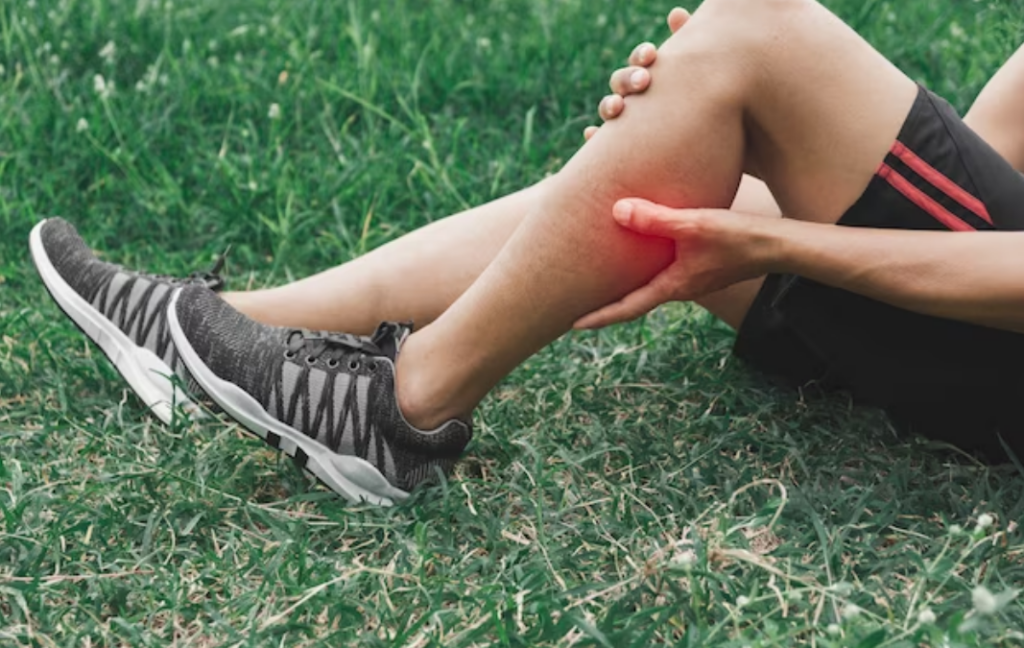
As a local chiropractor, I know that facing a sports injury can feel daunting, but I want to reassure you that there are natural ways to revitalize your recovery. Embracing a holistic approach that includes chiropractic care, proper nutrition, and physical therapy can significantly enhance your healing process.
Chiropractic care focuses on aligning the spine and optimizing the nervous system, which plays a crucial role in your overall well-being and recovery. By understanding how these elements interact, you can take charge of your healing journey. It may surprise you to learn that simple lifestyle adjustments—like improving your posture, incorporating anti-inflammatory foods, and engaging in gentle exercises—can lead to substantial improvements in your recovery.
Let's explore some specific strategies that can make a difference in your healing process. Together, we can work towards a more natural and effective recovery from your sports injury.
Understanding Sports Injuries
As a local chiropractor, I understand that sports injuries can be a significant hurdle for athletes, whether you play on weekends or compete at a high level.
It's crucial to grasp the nature of your injury to ensure effective recovery and to consider how chiropractic care can support you in that process.
Injuries generally fall into two main categories: acute and chronic. Acute injuries happen suddenly, often as a result of a specific incident, such as a fall or a collision. These might manifest as sprains, strains, or fractures.
Early recognition of symptoms like pain, swelling, or bruising is essential—addressing these signs promptly can expedite your healing process.
Conversely, chronic injuries develop gradually, usually from repetitive stress or overuse, often related to training routines. You may experience ongoing discomfort in a specific area.
Understanding the distinction between acute and chronic injuries can significantly influence your recovery approach. For acute injuries, immediate care such as rest, ice, compression, and elevation (commonly referred to as the RICE method) may be beneficial.
In contrast, chronic injuries often improve with modifications to your activity levels and addressing any underlying biomechanical issues, which is where chiropractic care can play a pivotal role.
Listening to your body is paramount. Ignoring pain or continuing to push through your discomfort can worsen your injury and prolong the recovery time.
As a chiropractor, I encourage you to consult with a healthcare professional who can accurately diagnose your injury and help you formulate an effective treatment plan.
Chiropractic care focuses on aligning the body and optimizing its biomechanics, which can be instrumental in your recovery journey.
The Role of Nutrition
As your local chiropractor, I want to emphasize the vital role that proper nutrition plays in your recovery from sports injuries.
When you're healing, your body requires essential nutrients to repair damaged tissues and promote overall wellness. Staying well-hydrated is equally crucial, as it can significantly enhance your recovery speed.
Let's delve into how you can effectively nourish your body during this important healing phase, ensuring you support your chiropractic care with the right dietary choices.
Essential Nutrients for Healing
As a local chiropractor, I want to emphasize the crucial role nutrition plays in your recovery from sports injuries. Many people may not realize that the right nutrients can significantly accelerate your healing process. By focusing on essential nutrients in your diet, you can support your body's natural repair mechanisms.
First and foremost, let's talk about protein. It's vital for your body as it provides the building blocks necessary for rebuilding tissues and muscles. I encourage you to include lean sources of protein in your meals, such as chicken, fish, beans, and legumes.
Next, it's important not to overlook omega-3 fatty acids, which are known for their ability to reduce inflammation. You can find these beneficial fats in foods like salmon, walnuts, and flaxseeds.
Vitamins and minerals also play a key role in your recovery journey. For instance, Vitamin C is essential for collagen formation and boosting your immune function. Make sure to incorporate citrus fruits, strawberries, and bell peppers into your diet.
Zinc is another important mineral that supports tissue repair, so consider adding nuts, seeds, and whole grains to your meals.
Lastly, I recommend including plenty of antioxidants in your diet. Foods like berries and green leafy vegetables help combat oxidative stress and promote overall healing. By prioritizing these essential nutrients, you'll be equipping your body with the necessary tools for effective recovery.
Remember, your nutrition directly impacts your healing journey, and by making these dietary choices, you'll be on the path to returning to your favorite activities sooner.
Let's work together to enhance your recovery through natural healing and proper nutrition!
Hydration's Impact on Recovery
As your local chiropractor, I want to emphasize the importance of proper hydration in your recovery process. Many people may not realize just how critical it's to drink enough water, especially when your body is healing from an injury. Hydration plays a vital role in cellular repair, transporting essential nutrients, and flushing out toxins. If you're not adequately hydrated, you could be putting unnecessary delays on your recovery.
Even mild dehydration can impact your performance and slow down the healing process. I encourage you to drink water consistently throughout the day, particularly after any physical activity. If you find yourself sweating a lot, it might be beneficial to include electrolyte-rich beverages to help replenish the minerals your body has lost.
In addition to drinking water, incorporating hydration-rich foods into your diet can significantly support your recovery. Foods like cucumbers, watermelon, and oranges not only contribute to your hydration but also provide important vitamins and antioxidants that help your body heal.
It's also essential to listen to your body's signals; thirst is just one indication that you may need more fluids. Symptoms such as fatigue, headaches, and dizziness can also be signs of dehydration.
To help you remember to stay hydrated, consider carrying a water bottle with you throughout the day. By prioritizing your fluid intake, you're not just supporting your recovery—you're giving your body the best chance to heal effectively so you can return to your active lifestyle sooner.
Physical Therapy Techniques
As a local chiropractor dedicated to helping you recover from sports injuries, it's important to understand the various physical therapy techniques that can support your healing process. By utilizing natural healing methods, we can enhance your recovery journey.
We'll delve into manual therapy approaches, which involve hands-on techniques to alleviate pain and improve function. These methods can help realign your spine and joints, promoting better movement and reducing discomfort.
Additionally, therapeutic exercise routines are essential in building strength and restoring mobility. These exercises are tailored to your specific needs and focus on enhancing flexibility and stability, allowing you to return to your favorite activities safely.
Lastly, we incorporate various modalities for pain relief, such as chiropractic adjustments, ultrasound, and electrical stimulation. These approaches work together to decrease inflammation and accelerate healing.
Together, these chiropractic techniques can significantly contribute to your recovery, helping you regain your strength and mobility naturally. Let's work together to get you back to doing what you love!
Manual Therapy Approaches
As a local chiropractor, I want to help you understand how manual therapy approaches can significantly aid in your sports injury recovery. These hands-on techniques are designed to alleviate pain and restore your body's natural function, allowing you to get back to the activities you love more comfortably and efficiently.
One effective method we utilize is joint mobilization. This technique involves applying controlled movements to your joints, which can enhance your range of motion and reduce stiffness. By carefully manipulating the joints, we aim to improve your overall mobility and help you regain your active lifestyle.
Another powerful approach is soft tissue manipulation, which focuses on the muscles, fascia, and tendons. This technique can relieve tightness and promote healing in the affected areas, helping you feel more relaxed and pain-free.
You might also find myofascial release beneficial. This technique targets the fascia, the connective tissue surrounding your muscles, to alleviate pain and improve flexibility. Additionally, if you're experiencing tight knots in your muscles, we may use trigger point therapy to release these areas, providing you with immediate relief.
It's crucial for us to maintain open communication about your pain levels and progress throughout your treatment. This way, I can tailor these manual therapy approaches specifically to your needs, ensuring a personalized recovery experience.
Therapeutic Exercise Routines
Therapeutic exercise routines are crucial in your journey toward recovery from sports injuries, helping you regain strength, flexibility, and coordination in a natural and holistic manner.
As your local chiropractor, I emphasize the significance of these exercises, which are specifically designed to address your unique injury and stage of recovery. This personalized approach ensures that you rebuild your body effectively and safely.
Together, we'll create a tailored plan that focuses on your individual needs. This plan may incorporate range-of-motion exercises to enhance flexibility, strengthening exercises to rebuild muscle, and balance training to improve stability.
By gradually incorporating these routines, you can minimize the risk of re-injury and facilitate a smoother recovery process.
Consistency is key in your healing journey, so it's important to stay committed to your exercise schedule. While it may seem challenging at first, you'll begin to notice improvements in your mobility and overall function.
Listening to your body is essential; if you experience any pain, please don't hesitate to bring it to my attention so we can adjust your plan accordingly.
Modalities for Pain Relief
As a local chiropractor, I want to emphasize the importance of effective pain relief for those recovering from sports injuries. There are a variety of natural healing techniques that can assist you on your journey to recovery.
One powerful method we often use in chiropractic care is ultrasound therapy. This technique employs sound waves to stimulate tissue healing and reduce inflammation, allowing your body to recover more efficiently.
Another beneficial approach is electrical stimulation, which involves sending small electrical impulses to your nerves. This can help alleviate pain and enhance muscle function, making it a great addition to your recovery plan.
Incorporating heat therapy can also significantly aid your healing process. By applying heat, you can increase blood flow and help relax tight muscles, preparing your body for exercise. Conversely, cold therapy can be beneficial after physical activity, as it helps minimize swelling and numb any pain you might be experiencing.
Manual therapy techniques, such as chiropractic adjustments and massage, are essential for promoting circulation and relieving tension in the affected areas. These hands-on methods can be incredibly effective in supporting your recovery.
Don't forget the importance of stretching and range-of-motion exercises. These can help maintain flexibility and prevent stiffness, which is crucial for anyone recovering from an injury.
Additionally, I might recommend dry needling in our sessions. This technique targets specific trigger points in your muscles, providing immediate pain relief and enhancing overall recovery.
As your chiropractor, my goal is to guide you through these natural healing modalities to help you regain your strength and get back to the activities you love.
Alternative Healing Methods
As a local chiropractor, I want to share how alternative healing methods can significantly enhance your recovery from sports injuries. These holistic approaches can work alongside traditional medical treatments, helping you heal more effectively and feel better overall.
Here are four alternative healing methods to consider in your recovery journey:
- Acupuncture: This ancient practice involves placing fine needles into specific points on your body. Many of my patients have found that acupuncture helps reduce pain, improves circulation, and promotes healing in a natural way.
- Chiropractic Care: Regular chiropractic adjustments are crucial for realigning your spine and joints. By relieving pressure on injured areas, we can help restore your mobility and alleviate discomfort, allowing your body to heal more efficiently.
- Massage Therapy: Targeted massage techniques can be incredibly beneficial for easing muscle tension and increasing blood flow to injured areas. Whether through deep tissue work or specialized sports massage, this therapy can play a vital role in your recovery.
- Herbal Remedies: Some herbs, such as arnica and turmeric, possess anti-inflammatory properties that can support your healing process. However, it's essential to discuss any herbal treatments with me or your healthcare provider to ensure they're safe and suitable for your individual situation.
Integrating these alternative methods into your recovery plan can provide a comprehensive approach to healing. They not only target physical symptoms but also enhance your overall well-being.
Always consult with me or your healthcare provider before starting any new treatments to ensure they align with your recovery goals. Embracing these natural options may be the key to revitalizing your sports injury recovery and getting you back to doing what you love.
Mind-Body Connection
As a local chiropractor, I often see athletes who underestimate the significance of the mind-body connection in their recovery from sports injuries. It's easy to focus solely on physical rehabilitation, but I want to emphasize that your mental state plays a crucial role in how quickly and effectively you heal. By engaging your mind in a positive way, you can significantly influence your body's healing processes.
One effective method I recommend is visualization techniques. Picture your injured area healing and becoming stronger. This mental imagery isn't just a fleeting thought; it can enhance your motivation and improve your overall outlook on recovery. Research has shown that athletes who practice visualization often report reduced pain and improved function. It's about creating a vivid mental picture that guides your physical recovery journey.
In addition, I encourage my patients to explore mindfulness and meditation. These practices help you remain present and can significantly reduce anxiety, allowing you to focus on what you can control in your recovery. By managing stress through mindfulness, you create a more favorable environment for healing.
You'll find that you become more attuned to your body's signals, making it easier to adjust your rehabilitation efforts as needed.
Furthermore, maintaining a positive mindset is vital for fostering resilience. When you believe in your ability to recover, you're more likely to adhere to your rehabilitation plan and overcome challenges. Surround yourself with positive affirmations and take note of your progress, no matter how small it may seem.
Embracing this mind-body connection empowers you to take charge of your healing journey, ultimately revitalizing your recovery from sports injuries. As your chiropractor, I'm here to support you in this holistic approach to healing.
Building a Support System
As you embark on your healing journey, it's important to recognize the value of building a supportive network around you. A strong support system can greatly enhance your recovery process, providing encouragement, motivation, and practical assistance when you need it most.
Here are four essential components to consider as you create your support system:
1. Family and Friends: Your loved ones play a crucial role in your recovery. They can offer emotional support, help with daily activities, and celebrate your milestones with you. Encourage them to understand your healing process so they can be there for you effectively.
2. Chiropractors and Natural Health Practitioners: Engaging with a chiropractor can provide you with tailored guidance specific to your needs. We can help you develop a recovery plan that aligns with your goals while ensuring you remain within safe limits.
Our focus is on natural healing methods that promote overall wellness and balance in your body.
3. Healthcare Professionals: It's vital to maintain communication with your healthcare providers, including doctors and physical therapists. They're instrumental in monitoring your recovery, making necessary adjustments to your treatment plans, and offering expert medical advice.
4. Support Groups: Consider joining a support group for individuals recovering from injuries. Connecting with others who share similar experiences can foster a sense of community and provide valuable insights that can aid in your healing process.
Conclusion
As your local chiropractor, I want to emphasize the significance of a holistic approach to sports injury recovery. Many of you may not be familiar with how chiropractic care can play a vital role in your healing process. By focusing on proper nutrition, we can enhance your body's natural ability to recover. Additionally, physical therapy techniques, including chiropractic adjustments, can improve your mobility and relieve pain.
I also encourage you to explore alternative healing methods, such as acupuncture or massage therapy, which can complement the chiropractic treatments we provide. Remember, a positive mindset is essential—believing in your recovery can truly make a difference. Surrounding yourself with a supportive community can also motivate you along the way.
By embracing these strategies, you'll not only facilitate your healing journey but also prepare yourself to return to the activities you love with renewed strength and vitality. Together, we can navigate this path to recovery naturally and effectively.