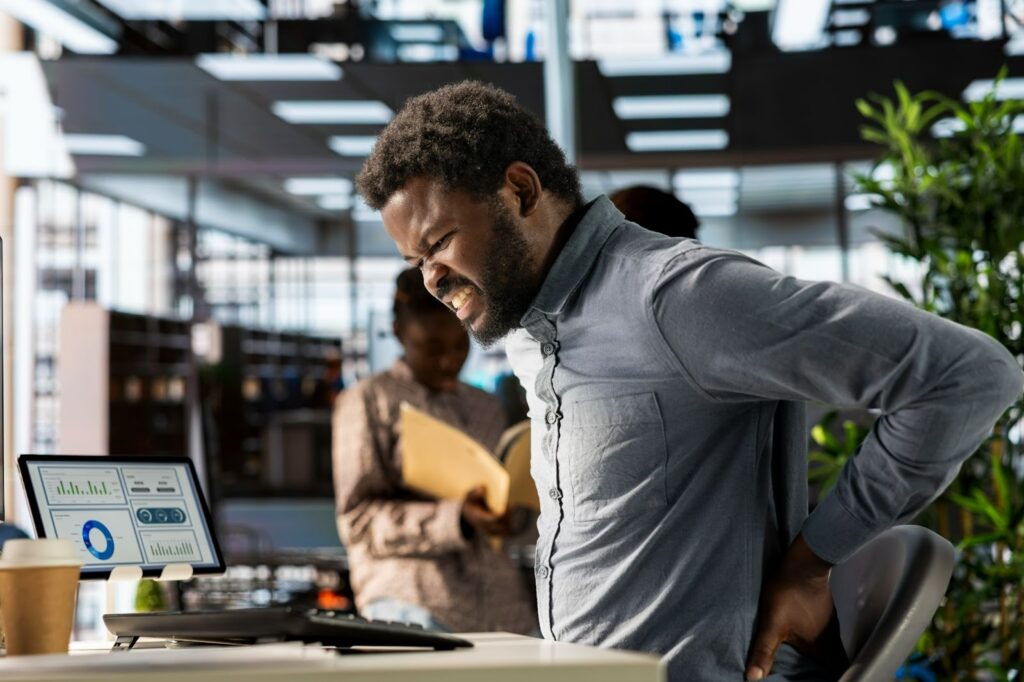

If you're experiencing lower back pain, it's essential to understand that there are natural and effective ways to find relief. As a local chiropractor, I want to share some insights into how simple adjustments in your daily routine can significantly alleviate your discomfort. Incorporating specific stretching exercises and mindfulness techniques can be incredibly beneficial for your overall well-being. Each of these methods offers distinct advantages that can help you regain mobility and reduce pain. So, what should you focus on first to start feeling better? Let's delve into the five best strategies that can truly enhance your healing experience.
Stretching Exercises
As a local chiropractor dedicated to helping my patients understand the importance of natural healing, I want to share the benefits of stretching exercises in relieving lower back pain. Many people may not realize that incorporating stretching into your daily routine can significantly enhance your flexibility, strengthen your muscles, and alleviate tension in your lower back.
It's crucial to focus on key muscle groups that directly affect your back health, such as the hamstrings, hip flexors, and quadriceps. Tightness in these areas can often lead to discomfort in your lower back.
Let's start with a simple hamstring stretch. Find a comfortable space on the floor and sit with one leg extended while bending the other. Gently reach for your toes on the extended leg, ensuring your back remains straight. Hold this position for about 15-30 seconds, then switch to the other side. This stretch is particularly effective in relieving tension that contributes to back pain.
Next, I recommend the cat-cow stretch, which is excellent for promoting flexibility and spinal mobility. Position yourself on all fours, with your hands aligned under your shoulders and your knees under your hips. Inhale deeply as you arch your back into the cow position, then exhale as you round your spine into the cat position. Repeat this flowing movement for about 30 seconds to enhance your spinal health.
Another beneficial stretch is the child's pose. To perform this stretch, kneel on the floor, sit back on your heels, and reach your arms forward while lowering your chest toward the ground. Hold this position for 20-30 seconds. This gentle stretch is fantastic for relieving lower back tension.
By incorporating these stretches into your daily routine, you may find significant relief from lower back pain. Always remember to listen to your body and avoid overexerting yourself. Consistency is key, and with time, you'll likely see improvements in your flexibility and overall comfort.
As your chiropractor, I'm here to support you on your journey to better health through natural methods.
Proper Posture Techniques
As a local chiropractor, I want to emphasize the importance of maintaining proper posture for both preventing and alleviating lower back pain. Many of my patients are surprised to learn how much body alignment affects the strain on their backs.
When you're sitting, it's crucial to keep your feet flat on the floor and your knees at a right angle. I recommend using a chair that offers support for your lower back—this can make a significant difference. Avoid slumping or leaning forward; instead, consider using a cushion or lumbar roll to help maintain the natural curve of your spine.
When you stand, try to distribute your weight evenly between both feet. Keeping your shoulders back and your head aligned over your spine is essential. It's easy to let your chin jut forward, but maintaining proper alignment can greatly reduce pressure on your lower back.
For those of you who spend long hours at a desk, remember to take breaks—stretch, walk around, and keep your muscles engaged. This not only improves your posture but also enhances blood circulation.
If you need to lift something heavy, make sure to bend at your knees rather than your waist. Keep the object close to your body and rely on your legs to lift, not your back. This lifting technique significantly lowers the risk of straining your lower back.
Lastly, I urge you to practice good posture in your daily activities, whether you're preparing meals, cleaning, or exercising. It's beneficial to adjust your workspace to encourage a neutral spine position and be conscious of your body mechanics.
Heat and Cold Therapy
As your local chiropractor, I'm here to help you understand how to manage lower back pain effectively using natural methods like heat and cold therapy. These techniques can provide significant relief by alleviating discomfort, reducing inflammation, and promoting healing when used correctly.
Let's start with cold therapy. For acute pain or within the first 48 hours following an injury, applying a cold pack or ice (wrapped in a cloth to protect your skin) to the affected area for about 15 to 20 minutes can be very beneficial. This helps numb the pain and decreases swelling, making it an essential first step in your pain management strategy.
Just remember, never apply ice directly to your skin to avoid frostbite.
Once the initial inflammation begins to subside, we can transition to heat therapy to further aid your recovery. Heat can be applied using a heating pad, hot water bottle, or even a warm towel. This method helps to relax tense muscles and increases blood flow to the area, which can ease discomfort and support healing.
Aim for sessions of 15 to 30 minutes, and you might even find that alternating between heat and cold enhances your results by stimulating circulation and reducing stiffness.
It's important to listen to your body during these therapies. If either method seems to exacerbate your pain, please discontinue use right away.
Heat and cold therapy are simple yet effective tools that can be easily integrated into your daily routine for pain management. Consistency is key!
And if your pain persists or worsens, don't hesitate to reach out to me or another healthcare professional for guidance. Your comfort and well-being are our top priorities, and we're here to support you on your journey to healing.
Strengthening Core Muscles
As a chiropractor committed to your well-being, I want to share the importance of strengthening your core muscles after addressing any inflammation or discomfort you may have experienced.
It's crucial to understand that your core is more than just your abdominal muscles; it encompasses all the muscles in your torso that help support your spine and pelvis. A robust core not only stabilizes your body but also enhances your posture and can significantly alleviate lower back pain.
Let's start with some foundational exercises that engage your core while being gentle on your back. One of the best exercises to begin with is the plank. To perform a plank, lie face down on the ground, then lift your body off the floor, supporting yourself on your forearms and toes. Aim to hold this position for 20-30 seconds, and as you gain strength, gradually increase the duration.
Another beneficial exercise is the bird-dog. Begin on your hands and knees, then extend one arm forward while simultaneously extending the opposite leg behind you. Hold this position for a few seconds before switching sides. This exercise not only builds core strength but also enhances your balance, which is essential for overall stability.
Don't overlook the bridge exercise. Lie on your back with your knees bent and feet flat on the floor. Lift your hips toward the ceiling, squeezing your glutes at the top of the movement. Hold for a few seconds before gently lowering back down. This exercise is fantastic for strengthening your lower back and glutes.
I encourage you to incorporate these exercises into your routine two to three times a week. As you build strength, you can gradually introduce more challenging movements, such as side planks or exercises using a medicine ball.
By strengthening your core, you'll be supporting your lower back and making daily activities more manageable and comfortable.
If you have any questions about how to properly perform these exercises or how they can fit into your healing journey, please don't hesitate to reach out. Your health and comfort are my top priorities, and I'm here to guide you on your path to wellness.
Mindfulness and Relaxation Techniques
As your local chiropractor, I want to share how mindfulness and relaxation techniques can play a vital role in your journey toward relieving lower back pain. These methods aren't just complementary; they can be powerful allies in managing your discomfort and improving your overall well-being.
By practicing mindfulness, you can learn to focus on the present moment, which can significantly reduce stress and tension in your body—two factors that often worsen lower back pain. When you become more aware of your physical sensations, including any tightness or discomfort in your back, you can respond to these signals more effectively, rather than reacting out of frustration or discomfort.
I often recommend techniques like deep breathing and guided imagery to my patients. These practices can help you cultivate awareness of your body and promote relaxation, allowing you to release built-up tension that could be contributing to your pain.
Incorporating relaxation techniques into your daily routine can also yield significant benefits. Simple practices such as progressive muscle relaxation or gentle yoga can't only help alleviate discomfort but also improve your flexibility and strength.
I encourage you to spend just a few minutes each day focusing on your breath, letting go of stress, and tuning into your bodily needs.
Additionally, you might find it helpful to explore meditation or mindfulness apps that can guide you through these processes. Even a short daily practice can lead to lasting improvements in your pain management and overall mental well-being.
Conclusion
As a local chiropractor, I want to share some effective strategies that can help you relieve lower back pain naturally. By incorporating these practices into your daily routine, you can experience significant relief and enhance your overall well-being.
- Regular Stretching: Stretching is essential for maintaining flexibility and reducing tension in your back muscles. I recommend setting aside some time each day to perform gentle stretches that target the lower back.
- Good Posture: Maintaining proper posture is crucial, especially if you spend long hours sitting. Ensure that your workstation is ergonomically designed, and be mindful of your posture throughout the day to prevent strain on your back.
- Heat and Cold Therapy: Utilizing heat and cold packs can be an effective way to manage pain and inflammation. Applying heat helps relax tight muscles, while cold therapy can reduce swelling and numb sharp pain.
- Strengthening Your Core: A strong core supports your spine and helps alleviate pressure on your lower back. Consider incorporating exercises that target your abdominal and back muscles to build strength.
- Mindfulness Practices: Engaging in mindfulness techniques, such as meditation or deep breathing exercises, can help you manage pain perception and reduce stress, which often contributes to muscle tension.
Remember, consistency is essential in these practices. Staying active with low-impact exercises tailored to your abilities can also promote healing and improve your quality of life. If you're unsure about how to get started or if you're experiencing persistent pain, don't hesitate to reach out for a consultation. Together, we can develop a personalized plan to help you achieve a more comfortable, pain-free life.