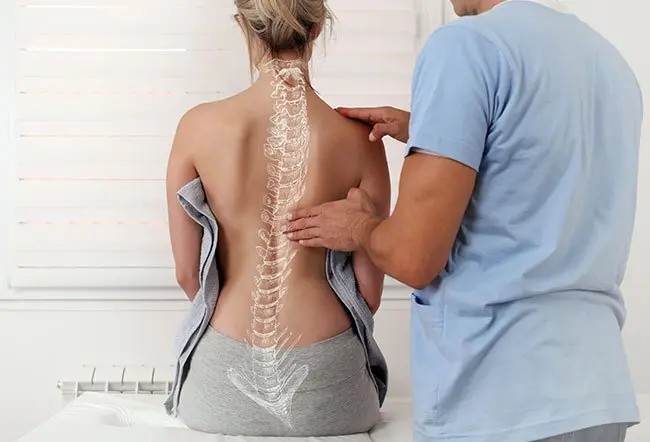

If you're experiencing lower back pain, I want you to know that you're not alone, and finding effective relief can seem daunting. As a local chiropractor, I want to share how chiropractic care can be a beneficial option for you. Our approach focuses on natural healing methods tailored to your individual needs.
Chiropractic care involves adjusting the spine and other joints to improve alignment and mobility, which can significantly alleviate pain. Many of my patients have found relief not only from chiropractic adjustments but also through complementary practices like acupuncture and physical therapy.
It's crucial to understand that effective pain management often requires a combination of treatments—sometimes including lifestyle changes and proper medication management. By exploring these options, you may discover the right blend that enhances your daily comfort and contributes to your overall well-being. Remember, the choices you make in your treatment journey can profoundly impact your quality of life, and I'm here to guide you every step of the way.
Physical Therapy
When it comes to finding relief from lower back pain, chiropractic care can be a highly effective approach. Unlike traditional physical therapy, we focus on aligning the spine and optimizing the function of your nervous system to promote natural healing. As your chiropractor, I'll conduct a thorough evaluation of your condition and design a personalized treatment plan that addresses your specific needs.
Through chiropractic adjustments, we can improve spinal alignment, which may help alleviate pain and restore mobility. These adjustments work to relieve pressure on nerves and improve communication between your brain and body, facilitating the healing process. You might also be introduced to specialized exercises that strengthen the core muscles supporting your spine, enhancing stability and reducing the risk of future issues.
In addition to spinal adjustments, our sessions may include soft tissue therapies that target muscular tension and discomfort. These techniques can help relax tight muscles and improve circulation, further promoting healing and comfort. Many patients find that regular chiropractic care contributes significantly to their overall well-being.
Education is also a key aspect of chiropractic care. I'll provide guidance on proper body mechanics and ergonomics, empowering you to make healthier choices in your daily activities. Learning how to lift objects correctly and maintain good posture while sitting or standing can lead to long-term relief from back pain.
Chiropractic Care
As a local chiropractor, I want to share with you how chiropractic care can be an effective and natural way to manage lower back pain. Our approach focuses on the alignment of your spine and the overall function of your body. When you come into my office, I'll conduct a thorough assessment of your spinal health to identify any misalignments or dysfunctions that may be causing your discomfort.
Through hands-on therapy, we can work together to restore your body's natural balance. This not only helps relieve pain but also enhances your mobility. During your sessions, I'll perform specific adjustments to realign your spine, which can alleviate pressure on your nerves and reduce inflammation—common contributors to back pain. Many patients experience immediate relief after their first visit, and with ongoing sessions, we can work towards achieving long-term results.
In addition to spinal adjustments, I may use other techniques such as soft tissue therapy, stretching, and strengthening exercises tailored to your individual needs. Together, we can create a personalized treatment plan that addresses your specific challenges.
I'll also encourage you to adopt lifestyle changes, like improving your posture and making ergonomic adjustments in your daily activities, to maximize the benefits of your chiropractic care.
It's crucial for me to have open communication with you about your pain levels and any concerns you might have. Your feedback is invaluable in adjusting your treatment plan to suit your progress.
Many of my patients discover that regular chiropractic visits not only help alleviate their lower back pain but also enhance their overall quality of life. If you're dealing with chronic back pain, I invite you to explore chiropractic care as a natural and effective option for relief. Together, we can work towards a healthier, more comfortable you.
Medication Options
When lower back pain strikes, exploring medication options can seem like a quick fix to manage your discomfort. However, as a chiropractor, I want to emphasize the tremendous benefits of natural healing and chiropractic care as a primary approach to managing pain.
Many people initially turn to over-the-counter (OTC) medications like nonsteroidal anti-inflammatory drugs (NSAIDs) such as ibuprofen or naproxen. While these can help reduce inflammation and alleviate pain, they only address the symptoms and don't tackle the underlying issues causing your pain. Instead of relying solely on these medications, consider how chiropractic care can provide a holistic solution.
If OTC options aren't providing enough relief, it's easy to think about prescription medications, including stronger NSAIDs or muscle relaxants. While effective for some, these medications can lead to dependence and side effects. Instead, through chiropractic adjustments, I can help realign your spine and improve your overall function, which may reduce the need for medications and help you regain control of your body.
In cases of severe pain, some may be prescribed opioids, but these should be approached with caution due to their potential for dependence. Chiropractic care offers a safe, drug-free alternative that promotes healing and helps you manage pain without the risks associated with pharmaceuticals.
Additionally, topical pain relievers like creams or patches can provide localized relief, but they often only mask the problem. Chiropractic treatment aims to address the root causes of your pain, enhancing your body's ability to heal naturally.
Ultimately, I encourage you to explore chiropractic care as a first-line option for managing lower back pain. It's important to work together to develop a personalized treatment plan that focuses on your specific needs, ensuring you find the most effective path to relief.
Acupuncture Benefits
As a local chiropractor, I want to introduce you to the benefits of acupuncture, especially if you're dealing with lower back pain.
While it may seem unconventional to some, acupuncture can be a powerful ally in your journey toward relief. This ancient practice focuses on specific points in your body, helping to release tension and enhance blood circulation.
During your treatment sessions, you'll discover how the tiny needles can activate your body's natural healing mechanisms.
This approach complements chiropractic care, allowing us to address your pain holistically. By incorporating acupuncture into your wellness plan, we can work together to improve your overall health and alleviate discomfort more effectively.
How Acupuncture Works
As a chiropractor, I want to introduce you to an effective natural healing method known as acupuncture, which can be particularly beneficial for alleviating lower back pain.
During an acupuncture session, a skilled practitioner uses thin needles to stimulate specific points on your body. These points are associated with various areas and functions, helping to restore balance and promote healing.
As you settle in for your treatment, your body reacts to the needle placement by releasing endorphins, which are your natural painkillers. This process can lead to improved blood circulation in the affected area, helping to reduce inflammation and enhance your mobility.
Many patients are pleasantly surprised to find that acupuncture is often painless, and many report feeling a deep sense of relaxation during and after the session.
For the best outcomes, multiple sessions are typically recommended, each customized to address your unique needs. The advantages of acupuncture often reach beyond mere pain relief; many individuals also experience better sleep, reduced stress levels, and an overall enhanced sense of well-being.
Acupuncture is a versatile method for addressing lower back pain, as it targets not only the symptoms but also the underlying imbalances in your body.
If you're looking for a natural approach to healing, I encourage you to consider acupuncture as a valuable addition to your pain management strategy.
Pain Relief Mechanism
As a local chiropractor, I want to help you understand how acupuncture can be a valuable part of your pain relief journey. When you undergo acupuncture, fine needles are skillfully inserted into specific points on your body. This technique stimulates your nervous system, leading to the release of endorphins and other neurotransmitters that work to alleviate pain and promote a sense of well-being.
One of the key benefits of acupuncture is its ability to enhance blood circulation in affected areas. Improved blood flow means that nutrients and oxygen can reach your tissues more efficiently, which is essential for healing and reducing inflammation. This can be particularly beneficial for addressing underlying issues related to lower back pain.
Additionally, acupuncture plays a role in balancing your body's energy, often referred to as "qi." When your qi flows freely, you're less likely to experience discomfort. This holistic approach not only targets physical symptoms but also considers the emotional and mental aspects of pain.
You may also find that acupuncture promotes relaxation, helping to alleviate stress and anxiety that can worsen pain.
Treatment Session Details
During your chiropractic session, you'll experience a personalized approach designed to address your specific lower back pain. As your chiropractor, my first step will be to understand your symptoms and medical history, ensuring that I grasp your unique situation. This thorough assessment allows me to formulate the most effective treatment plan for you.
Here's what you can expect during your session:
- Initial Consultation: We'll have a detailed discussion about your pain, lifestyle, and any other health concerns you may have. This conversation is crucial in creating a focused treatment strategy tailored to your needs.
- Chiropractic Adjustments: I'll use specific techniques to adjust your spine and other joints. These adjustments are gentle and aim to restore proper alignment, enhance mobility, and relieve pain.
- Relaxation: After the adjustments, you'll typically spend a few moments relaxing as your body begins to respond to the treatment. You may feel a sense of relief or a decrease in tension.
- Post-Treatment Guidance: Following your session, I'll provide you with recommendations for exercises, posture improvement, and possibly dietary suggestions to support your overall wellness and recovery process.
My goal is to help you understand how chiropractic care can be a natural and effective solution for your lower back pain, promoting long-term health and well-being.
Massage Therapy
As a local chiropractor, I want to share how massage therapy can be an effective approach to alleviating lower back pain.
This holistic treatment focuses on reducing muscle tension and enhancing circulation, which can provide immediate relief from discomfort.
It's essential to understand that the frequency of your massage sessions should be tailored to your individual needs for optimal results.
Techniques Used in Massage
As a local chiropractor, I want to share some effective massage techniques that can be incredibly beneficial for alleviating lower back pain. Each method is designed to target specific muscle tension and discomfort, helping you regain your mobility and feel better overall.
Here are four popular techniques that I often recommend to my patients:
- Swedish Massage: This technique employs long, flowing strokes to promote relaxation and enhance blood circulation. It's an excellent choice for relieving overall tension, allowing your body to unwind.
- Deep Tissue Massage: This method dives deeper into the layers of muscle and connective tissue, specifically targeting chronic pain and stiffness in the lower back. It can be particularly effective for those experiencing persistent discomfort.
- Trigger Point Therapy: By applying focused pressure on specific points within your muscles, this technique aims to release tight knots and alleviate referred pain. It's great for addressing localized areas of discomfort that can radiate to other parts of the body.
- Myofascial Release: This gentle technique involves stretching and applying pressure to the fascia, the connective tissue that surrounds your muscles. It helps improve mobility and reduce pain by releasing tension within the fascia.
When considering a massage technique, it's essential to think about your specific pain points and discuss them with your therapist. Together, you can find the best approach tailored to your needs, ensuring you receive the maximum relief from your lower back pain.
Benefits for Back Pain
As a local chiropractor, I want to share the transformative benefits of massage therapy for those struggling with back pain. Many people think of massage as a luxury or a way to relax, but it can be a crucial part of your healing journey.
Massage therapy goes beyond just alleviating symptoms; it targets the underlying causes of discomfort in your back. One of the primary benefits you'll experience is significant pain relief. Techniques like deep tissue and trigger point massage are designed to focus on specific areas of tension. These methods release tight knots and alleviate discomfort, allowing you to regain mobility and enjoy your daily activities without the burden of pain.
Moreover, regular massage therapy can help reduce stress and anxiety levels, which are often contributors to back pain. When we manage stress effectively, our bodies respond better to healing. You may also notice an improvement in your sleep quality, which is essential for recovery and rejuvenation.
Incorporating massage therapy into your wellness routine not only aids in back pain relief but also fosters a greater awareness of your body. You'll become more attuned to areas of tension and can actively engage in your healing process.
As a chiropractor, I believe that massage therapy is a powerful ally in managing and alleviating back pain, enhancing both your physical well-being and emotional health. If you're curious about how this fits into a comprehensive approach to chiropractic care, I invite you to reach out and learn more.
Frequency of Sessions
Understanding the right frequency for your chiropractic sessions can significantly influence your recovery from lower back pain.
It's essential to customize your visits based on your individual needs and pain levels. Here's a straightforward guide to help you determine how often you should schedule your chiropractic adjustments:
- Acute Pain: If you're dealing with severe lower back pain, I recommend weekly chiropractic sessions for the first month. This frequency allows for consistent adjustments, promoting healing and relief.
- Chronic Pain: If your discomfort is ongoing, bi-weekly visits can be beneficial in managing your symptoms and preventing exacerbations of pain. Regular adjustments can help maintain your spinal health.
- Maintenance: Once your pain is under control, transitioning to monthly visits is optimal for sustaining long-term relief and ensuring your body stays in balance.
- Personal Preference: It's important to listen to your body's responses. If you feel that more frequent adjustments provide greater benefit, feel free to adjust your schedule accordingly.
Ultimately, your body knows best, and I encourage you to communicate openly with me about how you're feeling.
Together, we can determine the most effective frequency for your chiropractic care. Regular sessions can enhance your mobility, reduce tension, and improve your overall well-being.
Heat and Cold Therapy
As a local chiropractor, I want to share some valuable insights on how heat and cold therapy can help alleviate lower back pain—an issue many of my patients face. These natural methods can be surprisingly effective in reducing pain and inflammation, making daily activities more manageable and comfortable.
Heat therapy is an excellent option for soothing stiff muscles and improving blood circulation. By applying a heating pad or a warm towel to your lower back, you can relax tight areas and foster healing. For a more immersive experience, consider taking a warm bath or shower. Just remember to keep the temperature at a comfortable level to avoid burns—your goal is to feel warmth, not discomfort.
On the flip side, cold therapy is particularly effective for reducing inflammation and numbing sharp pain. Using an ice pack wrapped in a cloth or a bag of frozen vegetables can work wonders. Apply the cold compress to your lower back for about 15-20 minutes at a time. This method is especially beneficial if your pain stems from an injury or recent strain, as it can help alleviate swelling.
I often encourage my patients to alternate between heat and cold therapy as needed. If you experience an injury, start with cold therapy to minimize swelling, and then switch to heat to promote healing once the initial inflammation has subsided.
Listening to your body is crucial—if one method feels more effective for you, trust that instinct. By incorporating these simple yet powerful therapies into your routine, you can find significant relief from lower back pain and enhance your overall well-being.
Exercise and Stretching
As a chiropractor, I want to emphasize the importance of exercise and stretching in managing lower back pain and supporting your overall spinal health. Engaging in regular physical activity not only strengthens the muscles that support your spine but also improves flexibility and enhances blood circulation.
Here are some effective exercises and stretches that I recommend for my patients:
- Cat-Cow Stretch: Begin on all fours. As you inhale, arch your back (this is the Cat position), and then as you exhale, lower your belly while lifting your head and tailbone (this is the Cow position). This gentle movement helps to improve the flexibility of your spine.
- Knee-to-Chest Stretch: Lie on your back and gently pull one knee toward your chest. Hold this position for 15-30 seconds, and then switch to the other leg. This stretch is excellent for relieving tension in your lower back.
- Bird-Dog Exercise: While on all fours, extend your right arm forward and your left leg backward simultaneously. Hold this position for a few seconds before switching sides. This exercise is beneficial for strengthening your core and improving overall balance.
- Pelvic Tilts: Lie on your back with your knees bent. Engage your abdominal muscles and press your lower back into the floor, then relax. Repeat this movement 10-15 times. It's a great way to strengthen your core muscles.
Before starting any exercise regimen, I always advise my patients to consult with their healthcare provider, especially if they're dealing with chronic pain.
Remember, consistency is essential. By incorporating these exercises into your daily routine, you can take proactive steps toward reducing lower back pain and improving your overall well-being.
Embracing natural healing practices, such as chiropractic care, along with these exercises, can lead to lasting relief and a healthier spine.
Posture Correction
As your local chiropractor, I want to emphasize the importance of proper posture in maintaining your spinal alignment and alleviating lower back pain. Many people are unaware that the way we sit, stand, and move can significantly impact our overall health.
By creating an ergonomic workspace, you can align your body in a way that supports its natural posture, ultimately preventing unnecessary strain and discomfort.
Adjusting your workspace may seem like a small change, but it can lead to substantial relief from pain. When your body is positioned correctly, it allows for better circulation, reduced tension in the muscles, and less pressure on the spine.
I'm here to guide you through these adjustments and help you understand how they contribute to a healthier, pain-free life. Let's work together to find solutions that promote your well-being through natural healing and chiropractic care.
Importance of Proper Alignment
Understanding the Importance of Proper Alignment for Your Spine
As a chiropractor, I want to emphasize how crucial good posture is for your overall health, particularly when it comes to your spine. Think of your posture as the foundation of a house; when it's solid, everything else functions better.
Maintaining proper alignment not only reduces the risk of lower back pain but also allows your body to work more efficiently. Here are four essential benefits of prioritizing your alignment:
- Improved Circulation: When you sit or stand with good posture, your blood circulation improves. This means your muscles get the oxygen and nutrients they need to function optimally, promoting better overall health.
- Reduced Muscle Strain: Keeping your spine in alignment lessens the strain on your back muscles. This can help prevent the fatigue and discomfort that often accompany poor posture, allowing you to feel more comfortable throughout your day.
- Enhanced Stability: Proper alignment provides a strong foundation for your movements. This stability is vital for performing daily activities safely, reducing the risk of injury as you go about your routine.
- Increased Energy: When your body is aligned correctly, it requires less energy to maintain that posture. As a result, you may find that you feel more energized and less fatigued, enabling you to enjoy your day to the fullest.
By focusing on your alignment, you're not just addressing lower back pain; you're also supporting your overall well-being.
I encourage you to be mindful of how you sit, stand, and move. Remember, your back will thank you for making these small adjustments!
If you have any questions or need guidance on how to achieve better alignment, don't hesitate to reach out. Your journey to better health starts with understanding how your body works!
Ergonomic Workspace Setup
As a chiropractor dedicated to promoting natural healing and overall wellness, I want to emphasize the importance of creating an ergonomic workspace to support your spine and prevent discomfort, particularly lower back pain.
Let's explore how you can optimize your work environment for better posture and reduced strain.
First, focus on your chair. It's essential that your feet rest flat on the floor and that your knees are at or slightly below hip level. A chair designed to support your lower back will allow you to maintain an upright position without putting unnecessary pressure on your spine. This small adjustment can make a significant difference in your daily comfort.
Next, let's talk about your desk and computer monitor. Position your monitor at eye level, approximately an arm's length away. This setup helps prevent neck strain, which can lead to headaches and discomfort. A slight tilt of the monitor can also help reduce glare and encourage a neutral head position—key factors in maintaining spinal alignment.
When using a keyboard, ensure it's at a height that allows your elbows to stay close to your body, with your wrists in a straight position. This will help prevent repetitive strain injuries that can arise from poor wrist alignment.
Don't overlook the importance of your mouse! It should be easily accessible to avoid stretching too far, which can strain your shoulder and neck muscles.
Additionally, I encourage you to incorporate short breaks into your routine. Standing up, stretching, and walking around every hour can keep your muscles engaged and promote circulation, which is vital for maintaining spinal health.
By fine-tuning your workspace, you can significantly lower your risk of experiencing lower back pain and improve your overall comfort while working.
Mindfulness and Relaxation
As a local chiropractor, I want to share how mindfulness and relaxation techniques can serve as effective tools in your journey toward alleviating lower back pain. By focusing on the present moment and reducing stress, you can help ease the tension in your body, which often contributes to discomfort.
Incorporating mindfulness into your routine can shift your attention away from pain and foster a sense of tranquility.
Here are some effective mindfulness and relaxation techniques you may want to explore:
- Deep Breathing: Begin by inhaling slowly through your nose, allowing your abdomen to expand. Hold your breath for a moment, and then exhale gently through your mouth. This straightforward practice can significantly reduce muscle tension and anxiety, helping to create a more relaxed state.
- Meditation: Dedicate a few minutes each day to sit quietly, concentrating on your breath or a soothing mantra. This practice enhances your awareness and reduces stress, which can play a crucial role in alleviating pain.
- Progressive Muscle Relaxation: Start by tensing and then relaxing each muscle group in your body, beginning from your toes and moving upward. This technique not only helps you recognize areas of tension but also promotes overall relaxation.
- Guided Imagery: Take a moment to visualize a serene scene or a location where you feel safe and at ease. Engaging your imagination in this way can serve as a distraction from pain and help cultivate a sense of well-being.
Remember, these techniques can complement the chiropractic care you receive, helping to enhance your overall healing process.
Lifestyle Modifications
As a chiropractor dedicated to helping patients find relief from lower back pain, I believe that thoughtful lifestyle modifications can play a crucial role in your healing journey. One of the first steps I recommend is to evaluate your daily activities and identify habits that may be contributing to your discomfort.
For example, if you find yourself sitting for long periods, it may be time to invest in an ergonomic chair or make adjustments to your workspace. Maintaining good posture—sitting with your back straight and feet flat on the ground—can significantly reduce strain on your lower back.
Incorporating regular physical activity into your daily routine is also essential for managing and alleviating pain. Engaging in low-impact exercises, such as walking, swimming, or yoga, can help strengthen your core muscles, enhance flexibility, and provide support for your spine.
I suggest aiming for at least 30 minutes of moderate exercise most days of the week. Always listen to your body and avoid any movements that may worsen your pain.
Additionally, your diet plays a vital role in your overall well-being and back health. Maintaining a healthy weight can alleviate pressure on your lower back, so focus on consuming nutrient-rich foods that promote bone and muscle strength, such as leafy greens, lean proteins, and whole grains.
Staying adequately hydrated is just as important, as it helps preserve the elasticity of your spinal discs.
Lastly, never underestimate the importance of quality sleep. Establishing a consistent sleep schedule and creating a calming sleep environment can help you achieve restorative rest.
For optimal support, consider sleeping on your side with a pillow between your knees or on your back with a pillow under your knees.
Conclusion
As a local chiropractor, I want to emphasize how incorporating a combination of treatments can significantly enhance your journey toward lower back pain relief. Chiropractic care, along with physical therapy and acupuncture, offers unique benefits tailored to your needs. It's essential to understand that our approach focuses on natural healing and restoring balance to your body.
Mindfulness and lifestyle modifications play a crucial role in your recovery process. By actively participating in these strategies, you not only alleviate pain but also improve your overall well-being. It's about empowering you to take charge of your health and reclaim your quality of life.
If you're new to chiropractic care, I encourage you to explore how these natural treatments can work together to support your healing. Don't hesitate to reach out for professional guidance; I'm here to help you navigate your path to wellness.